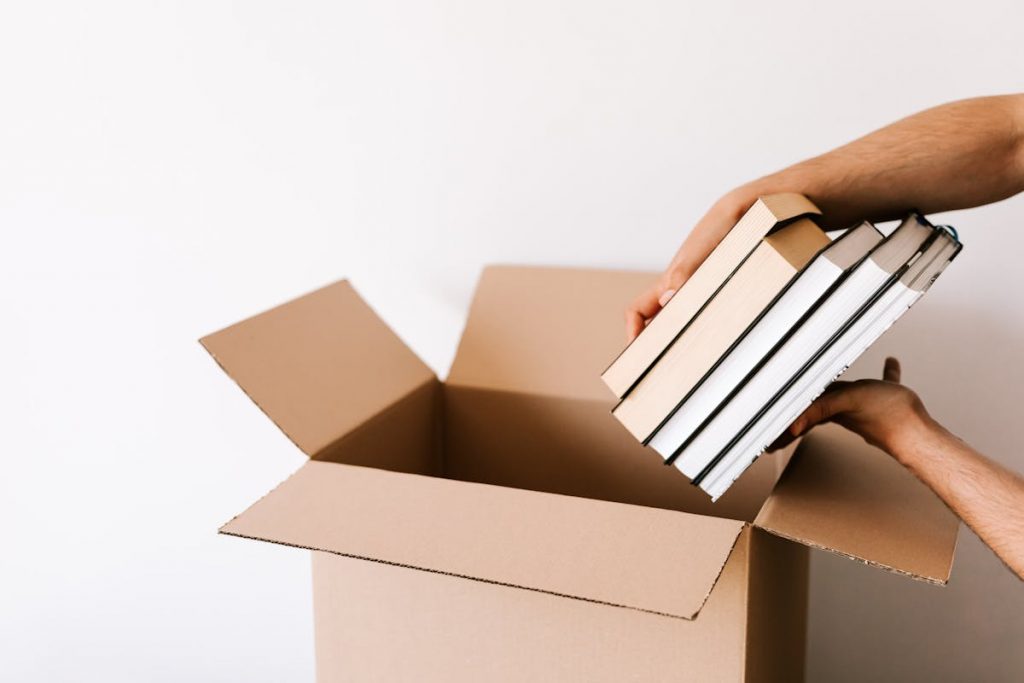

- Use small, sturdy boxes to prevent overloading and damage to your books.
- Pack heavier books flat at the bottom and lighter books on top for balance.
- Wrap rare or valuable books individually and label them as “Fragile.”
- Fill gaps with packing paper to prevent books from shifting during transit.
- Label boxes clearly by contents or category for easy unpacking.
- Avoid mixing books with heavy or dirty items; separate items like shoes properly.
- Take precautions against moisture, heat, or humidity to protect your collection.
Moving can be stressful, especially when it comes to packing books. Books are heavy, delicate, and can easily become damaged if not handled properly. Unlike clothing or household items, books require careful planning to ensure they remain in perfect condition during the move. Whether you’re relocating across town or across the country, packing books correctly can save you time, money, and frustration.
In this guide, we’ll walk you through practical strategies to pack your books safely and efficiently.
Why Proper Packing Matters for Your Books
Books are more than just objects—they’re often valuable possessions, containing knowledge, memories, or sentimental attachments. Improper packing can lead to bent covers, torn pages, or water damage. Additionally, books are surprisingly heavy, and overloading boxes can cause them to break or become unsafe to carry. By understanding the importance of proper packing, you can protect your collection and avoid unnecessary headaches.
When packing books, using the right boxes, padding, and techniques is crucial. You also want to consider weight distribution to prevent injury and make transportation easier. Taking a methodical approach ensures that your books remain in excellent condition, ready to be unpacked in your new home.
Choosing the Right Boxes for Books
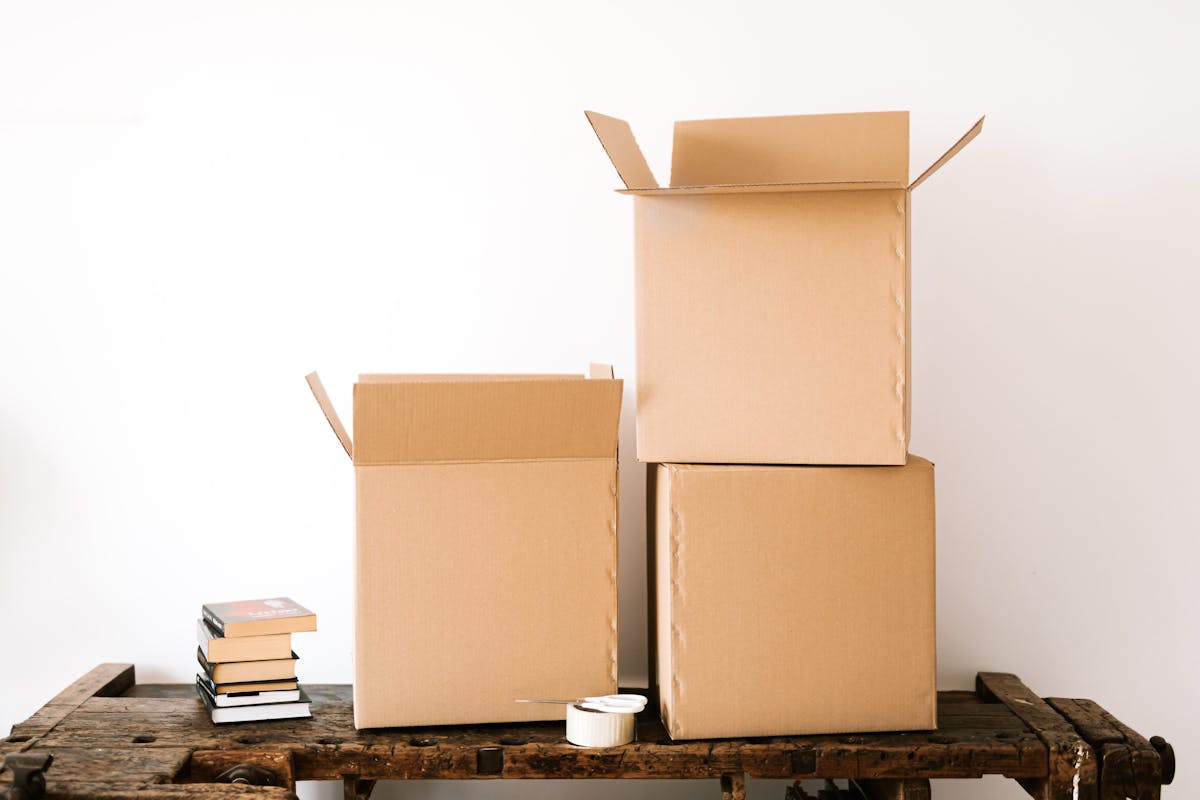
Selecting the proper boxes is the first step in protecting your books. Small, sturdy boxes are ideal because they prevent overloading and reduce the risk of damage. Large boxes may seem convenient, but when filled with heavy books, they become cumbersome and can break under the weight.
Additionally, using recycled boxes from grocery stores or retail shops can be a cost-effective solution, as long as they are in good condition. Reinforce the bottom with packing tape to add extra support. Specialty book boxes or banker boxes are also excellent choices, offering uniform sizes that make stacking and transport easier.
How to Pack Books for Moving Without Damaging Them
Packing books properly involves strategic placement and protective layering. Start by laying each box with a layer of packing paper or bubble wrap. Place heavier books flat at the bottom to prevent crushing. Lighter or paperback books can be stacked on top to maintain balance.
Another technique is to pack books upright, like they sit on a shelf, with the spines against the side of the box. This reduces pressure on the covers and keeps pages aligned. Fill any gaps with packing paper to prevent shifting during transit. Remember to avoid overpacking, as it increases the risk of bending or damaging your books.
Tips for Protecting Rare or Valuable Books
Rare or antique books require extra attention. Wrap each book individually in acid-free paper or bubble wrap to protect the cover and pages. Store these books upright in a small box and label the box clearly as “Fragile” to ensure careful handling.
Temperature and humidity are also important considerations. Avoid storing valuable books in areas that may experience moisture, extreme heat, or cold. By taking these precautions, you can preserve your most treasured volumes during the move.
How to Save Space While Packing Books
Moving often involves maximizing space in your boxes without compromising the safety of your items. One method is to remove dust jackets and wrap them separately in protective paper. This allows for tighter stacking and reduces the risk of tears.
Another tip is to combine books with other small, lightweight items. For example, packing paperback books alongside office supplies can help balance box weight and save space. However, avoid mixing books with heavy, bulky items that could shift and cause damage.
Labeling and Organizing for Easy Unpacking
Proper labeling can save significant time during unpacking. Write the contents of each box on the top and sides to make identifying books easy. You may also categorize boxes by genre, room, or priority, so you know which ones to open first.
Color-coded stickers or markers are useful if you have a large collection. Clear labeling not only prevents mistakes but also reduces the risk of dropping boxes due to guessing their weight or contents.
Packing Books Alongside Other Household Items
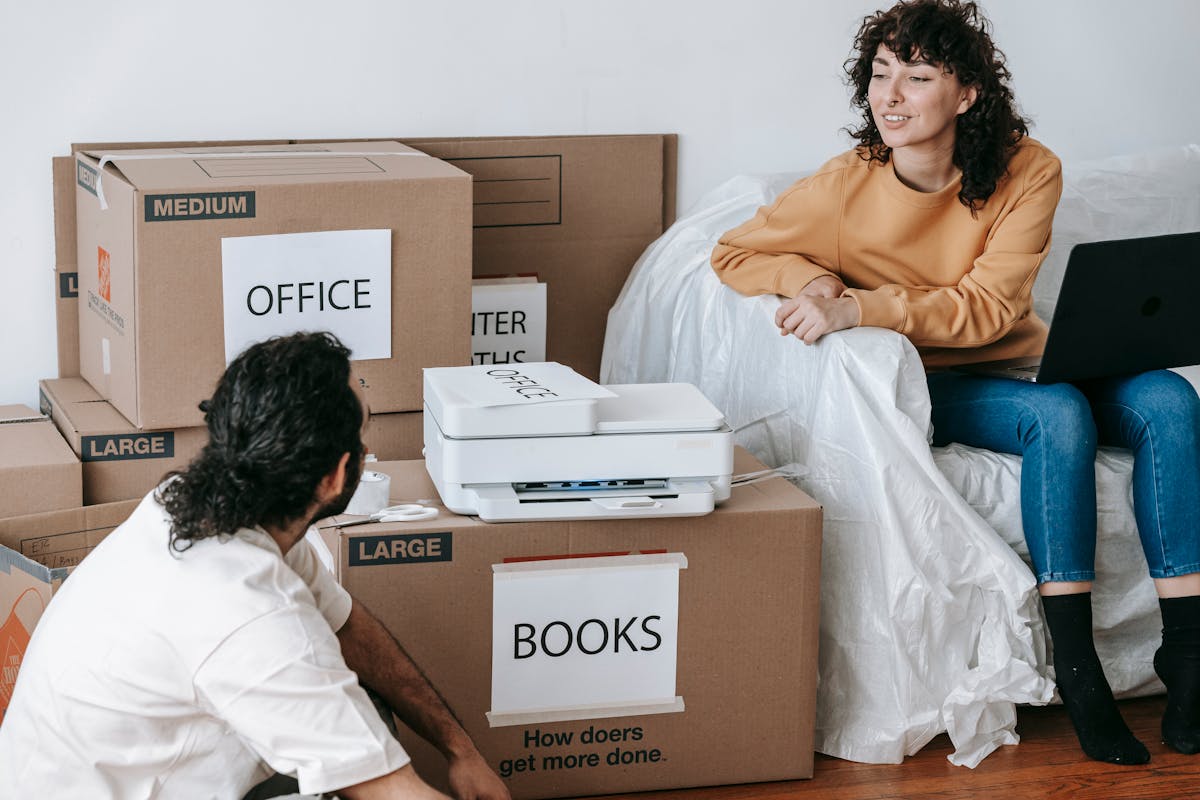
Books aren’t the only items that need careful packing. Often, they’re packed with other belongings such as shoes or small kitchen items. For example, if you’re wondering how to pack shoes for moving, consider placing shoes in separate bags or boxes to prevent dirt transfer and reduce weight imbalance. Keeping different items properly segregated ensures that everything stays organized and intact during the move.
Final Thoughts on Moving Books Safely
Packing books for a move doesn’t have to be overwhelming. By using the right boxes, packing materials, and strategic techniques, you can protect your collection and make moving day easier. Remember to avoid overpacking, reinforce boxes, and label everything clearly. With a little planning, your books will arrive safely, ready to be displayed or enjoyed in your new home.