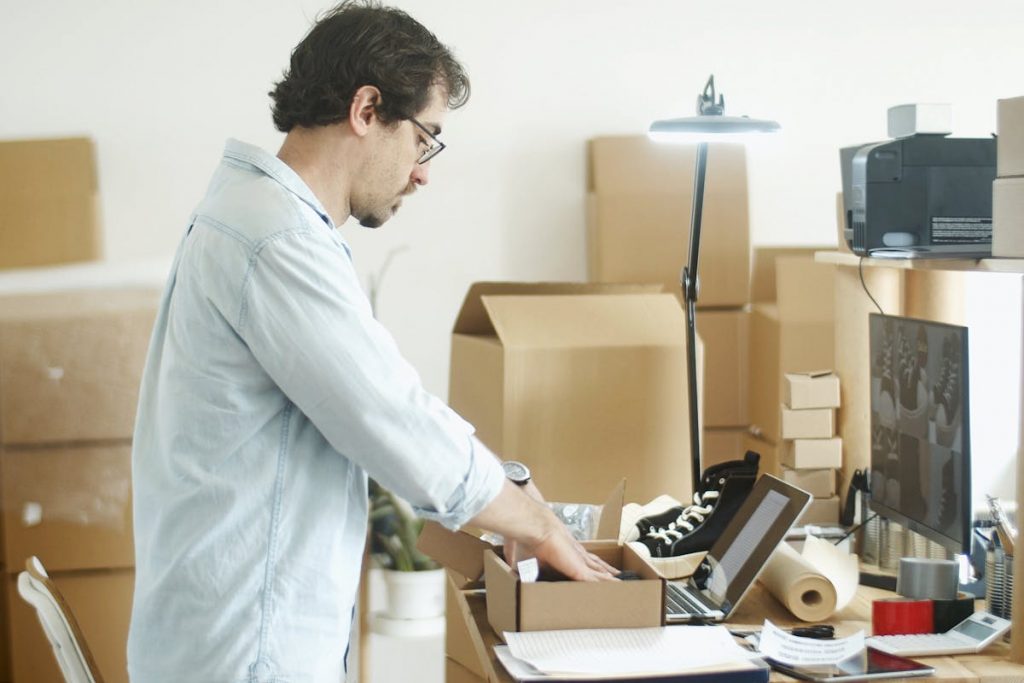

- Always clean, dry, and deodorize shoes before packing to prevent odors, stains, and bacterial buildup.
- Use proper packing materials like packing paper, bubble wrap, shoe bags, or sturdy boxes to protect the shape and surfaces.
- Pack different shoe types appropriately—sneakers, boots, heels, and leather shoes each need specific care.
- Avoid overpacking and heavy stacking to prevent crushing, creasing, or deforming shoes.
- Label and organize shoe boxes to make unpacking easier and reduce mishandling during the move.
- Take extra precautions for long-distance moves or storage, including moisture protection and sturdy boxes.
- Declutter before moving—donate or discard shoes you no longer need to save space and reduce moving stress.
Moving is already demanding, and shoes are one of the most commonly mishandled items during a relocation. Without proper preparation, shoes can arrive scuffed, crushed, or unpleasantly scented, creating unnecessary frustration when unpacking. Learning how to pack shoes correctly protects their shape, material, and cleanliness while helping you stay organized throughout the move.
This guide explains the right way to pack shoes for moving, whether you own a few everyday pairs or an extensive collection. From preparation and packing materials to box organization and long-distance moving tips, this article covers everything you need to know to move your shoes safely and efficiently.
Why Proper Shoe Packing Matters When Moving
Packing shoes might seem straightforward, but improper handling can lead to long-term damage. Shoes are exposed to pressure, moisture, dirt, and friction during a move, all of which can shorten their lifespan if they are not protected correctly.
Many people toss shoes into boxes at the last minute, unaware that this can cause creases, scuffed finishes, and odor buildup. Shoes often end up pressed under heavier items, which permanently alters their structure. For high-quality or specialty footwear, this damage can be costly or irreversible.
Proper shoe packing is also about hygiene and efficiency. Clean, well-packed shoes prevent dirt from spreading to clothing and other belongings. Organized packing saves time during unpacking and ensures your shoes are wearable immediately after the move, reducing stress during an already hectic transition.
How to Pack Shoes for Moving the Right Way
Understanding how to pack shoes for moving the right way helps you avoid damage while maximizing space. Shoes vary in shape, material, and durability, which means they require different handling methods during a move.
Packing shoes correctly involves more than placing them in boxes. It requires cleaning, wrapping, and strategic placement to prevent movement and pressure. Without a plan, shoes can rub against each other, absorb moisture, or lose their shape entirely.
A structured approach allows you to protect each pair while keeping your moving boxes balanced and organized. Whether you are moving locally or long distance, using the right techniques ensures your footwear arrives clean, intact, and ready to wear.
Preparing Shoes Before Packing Them
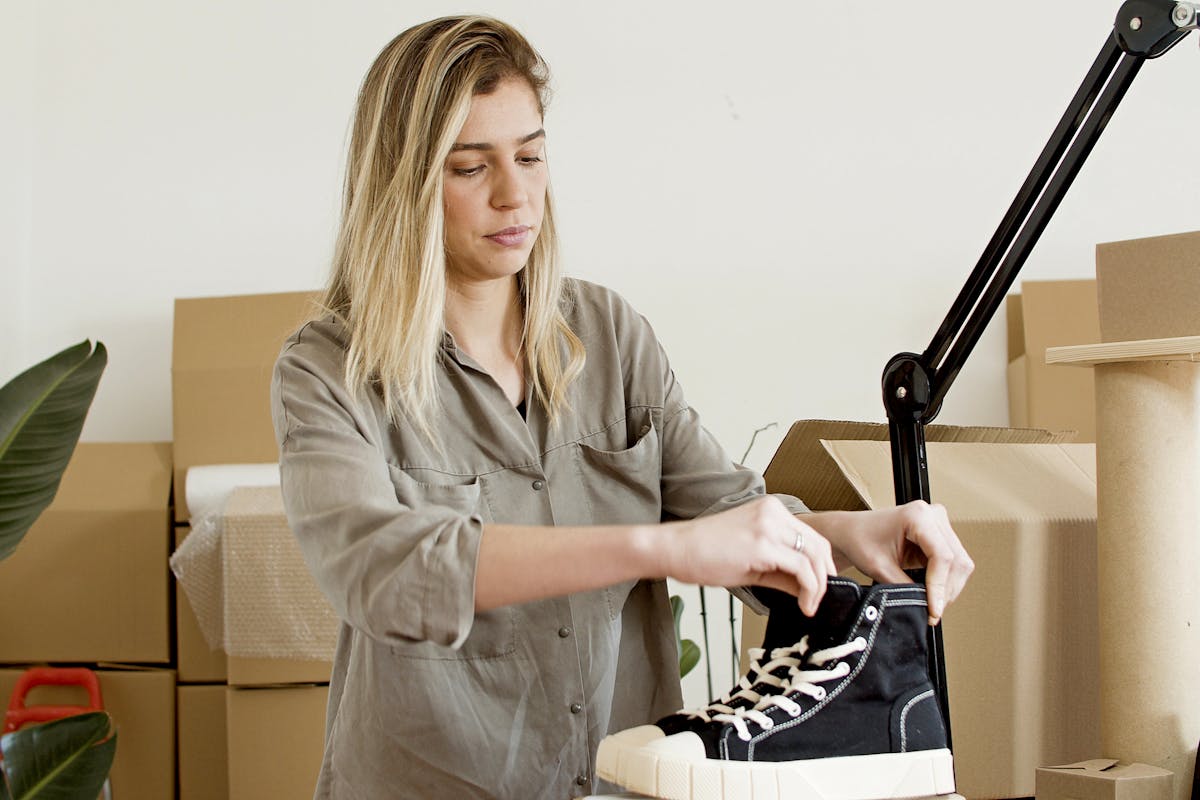
Preparation is a critical step that many movers overlook. Taking time to prep your shoes properly reduces odors, prevents stains, and protects materials during transit.
Shoes that are packed without preparation often trap moisture and bacteria, leading to unpleasant smells after the move. Dirt and debris can also scratch delicate finishes when shoes rub together. Preparing shoes ensures they remain in good condition throughout the moving process.
This step also allows you to assess which shoes are worth packing. Moving is an ideal opportunity to declutter, repair, or donate pairs you no longer use, making the packing process more efficient.
Clean Shoes Thoroughly
- Remove dirt, dust, and debris from soles and uppers
- Use appropriate cleaners for leather, suede, or fabric
- Allow shoes to dry completely before packing
Deodorize and Air Out
- Sprinkle baking soda inside shoes overnight
- Use odor-absorbing inserts or charcoal sachets
- Avoid packing shoes that are damp or recently worn
Inspect and Sort
- Separate daily wear shoes from special-occasion footwear
- Identify fragile or expensive pairs that need extra protection
- Discard or donate damaged shoes you no longer need
Choosing the Right Packing Materials for Shoes
Using the right materials is essential for preventing scuffs, creases, and odors. Many shoe-related moving problems stem from using inadequate or inappropriate packing supplies.
While professional packing materials offer the best protection, household items can also work when used correctly. The key is selecting materials that cushion shoes, absorb moisture, and limit movement inside the box.
Avoid using materials that trap humidity or transfer ink or dye. Poor material choices can permanently damage shoes, especially those made of leather or light-colored fabrics.
Recommended Packing Materials
- Packing paper or unprinted newsprint
- Bubble wrap for fragile or high-end shoes
- Shoe bags or soft fabric dust covers
- Small to medium sturdy moving boxes
Household Alternatives
- Clean socks for wrapping individual shoes
- Towels or soft clothing for cushioning
- Reusable shopping bags for casual shoes
Packing Different Types of Shoes Safely
Not all shoes should be packed the same way. The construction and material of each shoe type determine the level of protection it requires.
Athletic shoes are generally durable, while dress shoes, boots, and heels need extra care to maintain their shape. Ignoring these differences can lead to crushed toes, bent heels, or cracked materials.
Tailoring your packing method to each shoe type ensures that every pair arrives in wearable condition, regardless of distance or duration of the move.
Sneakers and Casual Shoes
- Wrap each shoe individually to prevent rubbing
- Place soles together to save space
- Fill empty space with packing paper
Dress Shoes and Leather Footwear
- Insert shoe trees or rolled paper to maintain shape
- Wrap in packing paper or a soft cloth
- Avoid stacking heavy items on top
Boots and Tall Shoes
- Stuff the shafts with towels or paper
- Wrap each boot separately
- Lay boots flat or upright, depending on the box size
Heels and Delicate Shoes
- Wrap heels with bubble wrap
- Secure straps to prevent bending
- Place in individual compartments if possible
How to Pack Shoes Without Shoe Boxes
Many people no longer have original shoe boxes, which can make packing feel more challenging. Fortunately, shoes can still be packed safely without their original packaging.
The key is creating structure and separation inside the moving box. Shoes should not shift during transport, as movement causes scuffing and deformation. Proper wrapping and strategic placement can replicate the protection that shoe boxes provide.
Packing shoes without boxes also saves space, making it a practical option for large collections or small moves.
Step-by-Step Method
- Wrap each shoe individually using paper or fabric
- Pair shoes sole-to-sole and secure lightly
- Line the bottom of the box with cushioning
- Fill gaps to prevent movement
Preventing Shoe Odors During a Move
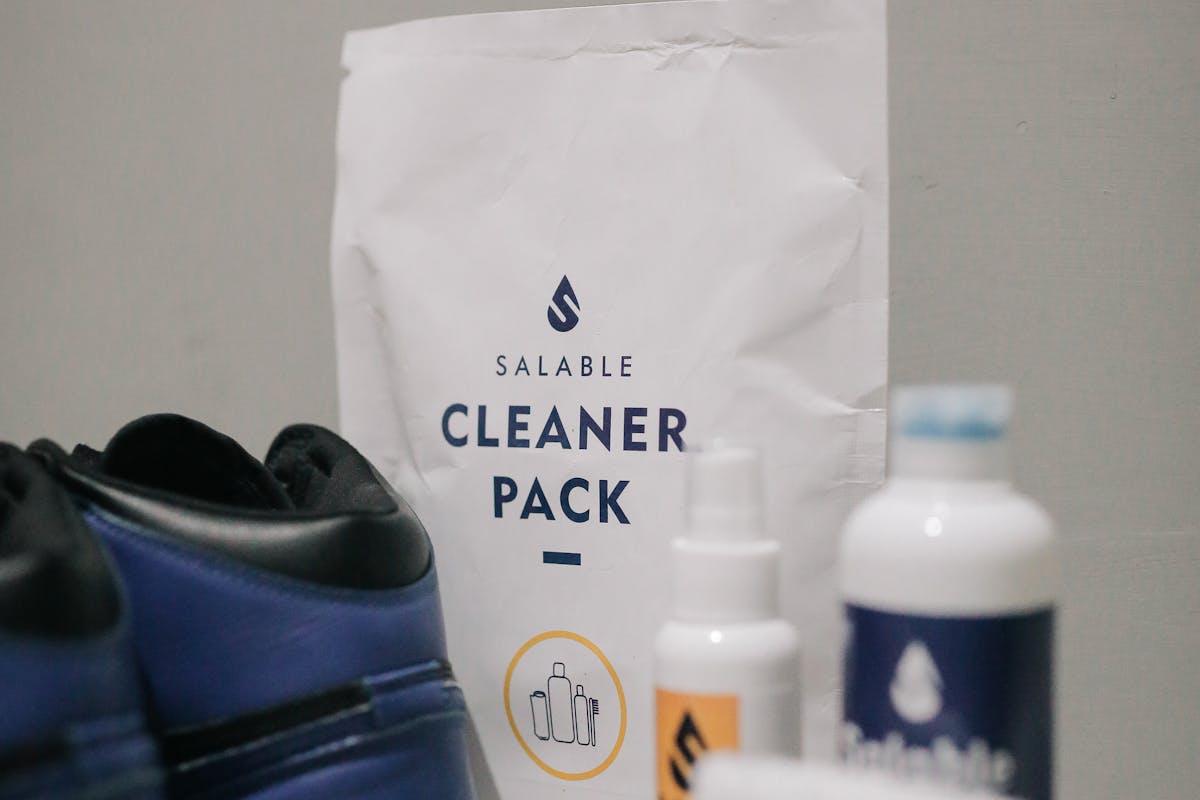
Odor control is a common concern when packing shoes, especially for long-distance or multi-day moves. Without proper airflow, even clean shoes can develop unpleasant smells.
Odors typically result from trapped moisture and bacteria. Once sealed in a box, these conditions worsen, making odor prevention a critical step in shoe packing.
Simple preventative measures can keep shoes fresh throughout the move and eliminate the need for extensive cleaning afterward.
Odor Prevention Tips
- Ensure shoes are completely dry before packing
- Use moisture-absorbing packets or charcoal bags
- Avoid plastic bags that trap humidity
- Pack shoes separately from clothing
Organizing and Labeling Shoe Boxes
Organization reduces stress during unpacking and helps protect shoes during the move. Unlabeled boxes are often mishandled or stacked incorrectly, increasing the risk of damage.
Clearly labeled shoe boxes allow movers to place them properly and help you locate footwear quickly after arrival. Organization also prevents overpacking, which can crush shoes under excess weight.
An organized approach saves time and ensures that shoes are unpacked in good condition.
Labeling Best Practices
- Mark boxes as “Shoes” and “Fragile” if needed
- Indicate orientation, such as “This Side Up”
- Separate everyday shoes from seasonal or formal pairs
Packing Shoes for Long-Distance or Storage Moves
Long-distance moves and storage situations introduce additional risks, including prolonged pressure, temperature changes, and humidity exposure. Shoes packed for these conditions require extra care.
Extended transit times increase the likelihood of material breakdown, especially for leather and synthetic fabrics. Improper packing can result in mold, cracking, or permanent deformation.
Taking additional precautions ensures shoes remain protected even during lengthy or delayed moves.
Extra Protection Tips
- Use sturdy, moisture-resistant boxes
- Avoid storing shoes in basements or damp areas
- Check boxes periodically if in storage
- Keep shoes elevated off concrete floors
Common Mistakes to Avoid When Packing Shoes
Many shoe-packing problems occur due to simple mistakes that are easy to avoid. Being aware of these pitfalls helps protect your footwear and reduces moving-related stress.
Overpacking boxes, skipping preparation, and using the wrong materials are among the most common errors. These mistakes often lead to damaged shoes and unnecessary replacements.
Avoiding these issues ensures a smoother and more successful move.
Mistakes to Watch Out For
- Packing dirty or damp shoes
- Using plastic bags without ventilation
- Placing heavy items on top of shoes
- Ignoring shoe shape and material differences
Final Tips for Stress-Free Shoe Packing
Packing shoes correctly contributes to a smoother moving experience overall. When done properly, shoes arrive clean, intact, and ready to wear, eliminating one more source of post-move frustration.
Planning ahead and using appropriate materials ensures that even valuable or delicate footwear remains protected. A thoughtful approach also saves time during unpacking and helps maintain organization in your new space.
By following these best practices, you can pack shoes with confidence and focus on settling into your new home.