

Moving day goes much more smoothly when the property is ready before the truck arrives. A little preparation can prevent delays, reduce stress, protect your belongings, and help movers work more efficiently. Whether you are leaving a house, apartment, condo, or rental property, the goal is to create a clear, safe, and organized space before anything is loaded.
Effective preparation also gives you time to gather packing materials, coordinate with moving helpers, and address last-minute surprises. It helps you prioritize which tasks need to be completed first—such as disassembly, cleaning, or making minor repairs—so the moving process feels less overwhelming. When everything is organized ahead of time, you can focus on the big picture rather than scrambling with details on moving day.
Preparing your property is not just about packing boxes. It also means handling repairs, clearing outdoor access, removing junk, planning storage, protecting surfaces, and ensuring nothing important is left behind. These extra steps demonstrate respect for your old home and consideration for new occupants, whether you’re selling, renting, or handing over to the next resident. Taking the time to do things right helps you leave on good terms and start your next chapter with confidence.
Start with a full walk-through of the home, inside and outside. Check every room, closet, hallway, attic, basement, garage, porch, driveway, shed, and storage area. Make a list of anything that could slow down the move or create a safety problem.
Look for:
- Loose rugs, cords, or cluttered walkways
- Large furniture that may need to be disassembled
- Boxes or belongings blocking hallways
- Items stored in hard-to-reach areas
- Outdoor debris near doors or driveways
- Repairs that should be handled before leaving
This walkthrough helps you separate tasks into categories: pack, clean, repair, donate, discard, and store. Creating a checklist as you go can make sure nothing is overlooked and help you delegate specific tasks to family members, roommates, or helpers. Noting which items require special handling or professional services, such as heavy appliances or hazardous materials, allows for better planning and fewer surprises later. It is also smart to take photos before moving, especially if you are renting or selling the home. These images serve as documentation of the property’s condition, which can help resolve security deposit disputes or clarify responsibilities with buyers, landlords, or property managers.
Handle Moisture and Damage Concerns Early

Water damage, damp rooms, and musty odors should be handled before moving day. Moisture can damage boxes, furniture, clothing, books, and electronics. It can also create problems if belongings are packed before they are fully dry.
Check basements, crawl spaces, bathrooms, laundry rooms, garages, and under-sink cabinets for stains, soft flooring, bubbling paint, or odors. If the problem is serious, professional mold remediations may be needed before the space is safe and ready.
These issues can also matter during real estate transactions. Buyers, landlords, inspectors, or property managers may notice signs of damage during a walkthrough. Handling problems early gives you time to make repairs, save receipts, and avoid disputes.
Before packing items from damp areas, inspect them carefully. Do not pack anything that smells musty or feels wet. Clean and dry items fully before placing them in boxes or bins. Mold, mildew, and moisture can quickly spread in a packed box, damaging not only the affected item but also others stored nearby. Take extra time to air out cushions, rugs, books, or clothing that have been in humid spaces. If possible, use moisture-absorbing products, such as silica gel packs or desiccant packets, in boxes containing sensitive items. Being diligent about moisture prevention protects your belongings during the move and helps ensure a healthy, odor-free start in your new home.
Clear the Outside for Safe Access
The outside of the property matters just as much as the inside. Movers need clear access to the driveway, walkways, porches, gates, and main entry points. If the path from the home to the truck is blocked, the move can take longer and become more dangerous.
Trim bushes, clear fallen branches, sweep walkways, and remove anything that could cause someone to trip. If branches hang over the driveway, roof, or entrance, local tree services may be needed before moving day. Large moving trucks often need more clearance than a regular vehicle.
Also check gutters, shingles, overhangs, and exterior surfaces. If water is dripping near an entrance or storm damage is visible, roofing contractors may need to inspect or repair the problem. A leak or loose exterior material can make moving day harder, especially in bad weather.
Before the truck arrives, move vehicles, lawn equipment, toys, planters, and outdoor furniture away from the loading area.
Plan Parking and Moving Access
A moving crew can work faster when parking and access are planned in advance. Decide where the truck will park and make sure the space is available. If you live on a busy street, in an apartment building, or in a neighborhood with parking rules, check whether a permit or reservation is needed.
When comparing local moving companies, clearly explain the property layout. Mention stairs, elevators, long walkways, steep driveways, narrow doors, tight corners, or heavy specialty items. These details help the movers bring the right crew and equipment.
If you are using a moving service, ask what they need from you before arrival. Some may want furniture disassembled, appliances disconnected, or fragile items packed a certain way. Good communication can prevent delays and unexpected charges.
Measure doorways, staircases, hallways, elevators, and gates before moving large furniture. If something barely fit when it came in, it may need to be taken apart before it can go out.
Remove Junk Before Packing
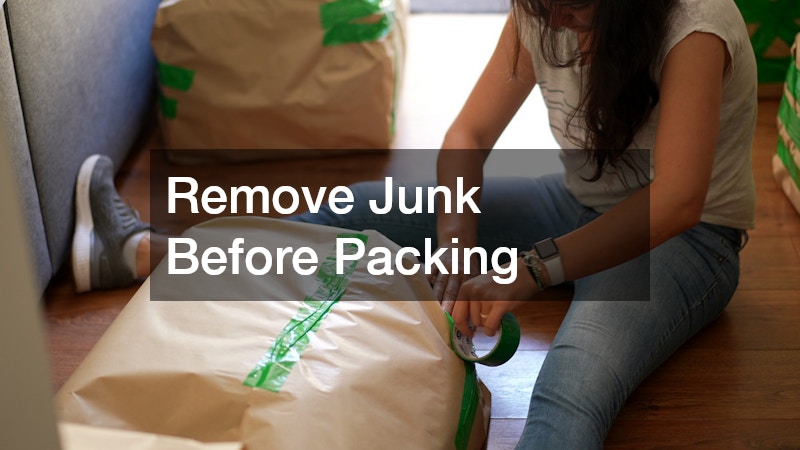
Decluttering before moving saves time, money, and effort. There is no reason to pay to move items you no longer want. Start with broken furniture, old appliances, damaged boxes, yard debris, unused equipment, and clutter from garages or basements.
For large cleanouts, a dump truck rental company may help with heavy materials, outdoor debris, or renovation leftovers. If the cleanout will take several days, a dumpster rental service can make the process easier by providing a central place for unwanted items.
Sort belongings into clear categories:
- Keep
- Donate
- Sell
- Recycle
- Throw away
- Store
Check local disposal rules before getting rid of paint, chemicals, electronics, tires, batteries, or appliances. Many municipalities have special drop-off sites or collection days for hazardous or bulky items, and improper disposal could result in fines or environmental harm. If you are unsure how to dispose of an item, consult your city’s website or contact local waste management for guidance. Donation pickups should also be scheduled early, since availability may be limited during busy moving seasons. Some charities offer contactless or curbside pickup, but may have restrictions on the types of items accepted—always check their requirements in advance.
The less you move, the easier the process becomes. Decluttering can also reduce moving costs if pricing is based on time, labor, truck space, or weight. In addition, streamlining your belongings can help you start fresh in your new home, making it simpler to organize, unpack, and settle in. Consider selling valuable items online, hosting a garage sale, or giving away usable goods to friends, neighbors, or local community groups. By finding new homes for unwanted items, you can benefit others while lightening your own load.Pack With a Clear System
Packing is easier when you organize before you box everything up. Start with items you rarely use, such as seasonal decorations, books, guest room items, keepsakes, and off-season clothing. Leave daily essentials for the final days.
Use sturdy boxes and avoid overloading them. Heavy items should go in small boxes, while lighter items can go in larger ones. Label every box by room and contents. Instead of writing “kitchen,” write “kitchen – plates, mugs, bowls.” This makes unpacking much easier.
Create a first-night box with essentials such as:
- Toiletries
- Chargers
- Medications
- Paper towels
- Toilet paper
- Snacks
- Basic tools
- A change of clothes
- Pet supplies, if needed
Keep important documents and valuables with you. Passports, financial papers, leases, closing documents, medical records, jewelry, and keys should not be packed on the truck. Consider using a dedicated folder, a small lockbox, or a bag for these items, and keep them in your personal vehicle or on your person throughout the move. This precaution reduces the risk of loss, theft, or accidental packing, and ensures you have immediate access to essential information if needed during the transition. For added security, make digital backups or photocopies of critical documents and store them separately in case originals become misplaced.
Set Up Temporary Storage if Needed
Not everything has to move directly into the new place. If you are downsizing, staging a home, renovating, or dealing with a gap between move-out and move-in dates, storage can make the process easier.
Storage units are helpful for furniture, seasonal items, keepsakes, business materials, or belongings that will not be needed right away. For delicate items like electronics, wood furniture, artwork, documents, or fabric pieces, climate-controlled storage may be the better choice.
A portable storage shed can also help if you need extra space on the property while packing in stages. It can be useful for tools, outdoor equipment, seasonal decorations, or overflow items that should stay separate from everyday belongings.
Before storing anything, clean and dry it. Label boxes clearly and keep items you may need soon near the front.
Protect Floors, Walls, and Doorways

Moving heavy furniture can damage a home if surfaces are not protected. Use floor runners, cardboard, drop cloths, or mats along main pathways. This is especially helpful for hardwood, tile, vinyl, carpet, and laminate floors.
Protect corners, railings, banisters, and tight turns with moving blankets or cardboard. Remove artwork, mirrors, and fragile decor before moving large furniture. If a doorway is tight, remove the door from its hinges instead of forcing furniture through.
Keep children and pets away from active moving areas. Open doors safely, secure loose rugs, and make sure stairways are dry and well-lit. If it rains or snows, keep towels or mats near entrances to control mud and water.
Prepare Utilities and Appliances
Before moving day, schedule utility transfers or shutoffs for electricity, gas, water, internet, trash pickup, and security systems. Do not shut them off too early, since you will still need lights, water, and climate control while packing and cleaning.
Empty, clean, and defrost refrigerators and freezers at least 24 hours before the move. Disconnect washers and dryers carefully, drain hoses, and secure cords. Some appliances, especially those connected to gas or plumbing, may need professional disconnection.
Also check outdoor equipment, hoses, grills, and smart home devices. Remove batteries when needed, gather manuals and accessories, and reset or transfer digital devices if they are staying behind.
Do One Final Check

After most items are loaded, walk through the property one last time. Open every closet, cabinet, drawer, and storage area. Check under sinks, inside appliances, behind doors, on shelves, in the attic, basement, garage, and outdoor structures. Take extra care in rooms used for storage or with built-in shelving, as small valuables and important documents are often left behind in overlooked corners.
Look for small items like chargers, keys, garage remotes, documents, medications, tools, jewelry, and cleaning supplies. Double-check window sills, medicine cabinets, and utility spaces for personal belongings. Remove trash, sweep visible debris, close windows, turn off lights, and lock doors. If possible, do a walkthrough with another person to catch anything you might have missed.
If you are renting or selling, take final photos and leave keys, access cards, remotes, manuals, or paperwork where required. Noting utility meter readings and recording the property’s condition at departure can help resolve any questions that arise later with landlords, buyers, or property managers.
Spending a few extra minutes on this last check helps ensure nothing is forgotten or left behind, and leaves the space ready for its next occupants. Preparing your property before moving day makes the entire process easier. With clear paths, fewer unwanted items, protected surfaces, and a smart packing plan, you can reduce stress and leave the property in good condition.